


Applications of Ion Chromatography in Environmental Analysis
When you need to identify and measure pollutants in water, soil, or air Anion analysis, ion chromatography offers a reliable approach. It separates ions quickly and detects them at trace levels, helping you track contamination sources and assess environmental risks. Understanding how this technique works and where it applies can enhance your ability to monitor and manage environmental quality effectively. But what specific pollutants can you detect, and how does the process adapt across different sample types?
How Ion Chromatography Detects Common Environmental Pollutants
Although environmental samples can be complex, ion chromatography lets you accurately detect common pollutants like nitrates, sulfates, and chlorides.
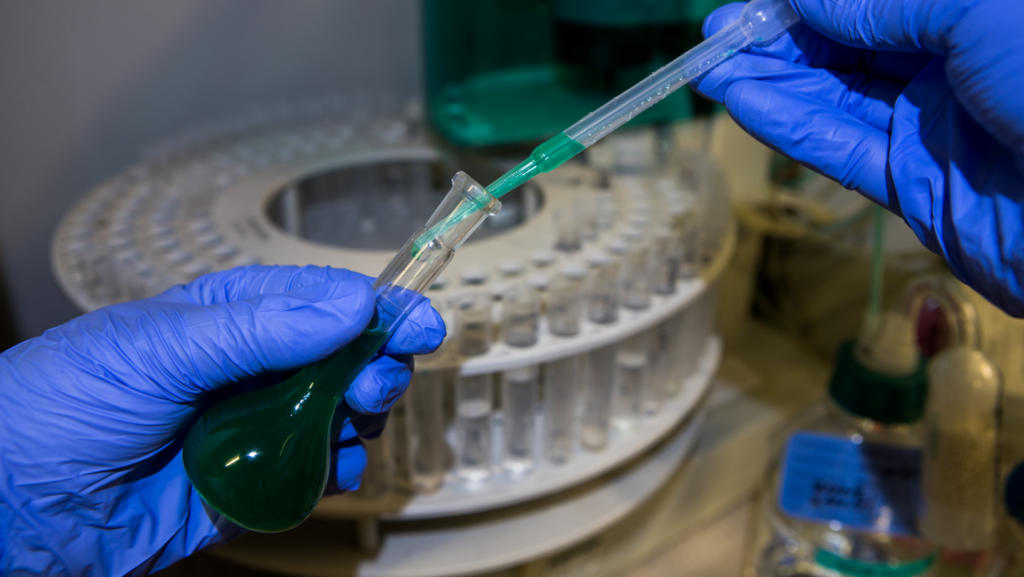
You simply introduce your sample into the chromatograph https://laballiance.com.my/, where ions separate based on their interaction with a specialized resin.
This separation means you can pinpoint each pollutant’s concentration without interference.
The technique uses an electrical conductivity detector, so you’ll get real-time readings that reflect the ionic content precisely.
Because you’re measuring these ions directly, you avoid guesswork and ensure reliable data.
With ion chromatography, you’re free to analyze complex mixtures quickly and confidently, giving you control over understanding environmental contamination at a detailed level.
This method empowers you to identify and quantify pollutants efficiently, keeping your analysis accurate and straightforward.
Using Ion Chromatography to Monitor Water Quality
When assessing water quality, ion chromatography gives you a powerful tool to detect and measure dissolved ions quickly and accurately.
You can identify harmful contaminants like nitrates, sulfates, chlorides, and heavy metals that affect water safety and ecosystem health.
This technique lets you analyze samples from rivers, lakes, and drinking water sources without delay, giving you real-time insights.
By monitoring ion concentrations, you gain the freedom to make informed decisions about water treatment and pollution control.
Plus, ion chromatography’s high sensitivity ensures you catch even trace-level pollutants, protecting communities and wildlife.
Using this method, you stay proactive, maintaining water quality standards and responding swiftly to changes before problems escalate.
Ion chromatography empowers you to safeguard water resources with precision and confidence.
Tracking Soil Contamination With Ion Chromatography
Water quality monitoring often reveals how contaminants move beyond aquatic systems and impact surrounding soil. When you track soil contamination with ion chromatography, you gain precise insights into the spread and concentration of harmful ions like nitrates, sulfates, and heavy metals. This technique lets you detect even trace amounts, enabling early intervention before pollutants threaten ecosystems or human health.

Identifying Airborne Ionic Pollutants Through Ion Chromatography
By analyzing airborne particles with ion chromatography, you can pinpoint ionic pollutants that impact air quality and public health.
This method lets you detect ions like nitrate, sulfate, chloride, and ammonium, which often originate from industrial emissions, vehicle exhaust, or natural sources.
You collect air samples, extract the particles, and run them through the ion chromatograph to separate and quantify these ions with high precision.
Knowing the specific ionic composition empowers you to understand pollution sources and trends without relying on guesswork.
This clarity gives you the freedom to make informed decisions about your environment or research.
Ion chromatography’s sensitivity and speed make it an essential tool for anyone committed to monitoring and improving the air you breathe.
Supporting Environmental Regulations With Ion Chromatography Data
Although environmental regulations vary widely, ion chromatography data consistently provides the accurate, detailed information regulators need to enforce standards effectively. When you rely on this data, you gain clear insights into pollutant concentrations, helping you identify violations quickly and confidently.
Ion chromatography empowers you to track contaminants in water, soil, and air, ensuring compliance without unnecessary guesswork. By harnessing this precise data, you support transparent decision-making and hold polluters accountable, protecting ecosystems while respecting your right to a clean environment.
You don’t have to accept vague assessments or loose enforcement—ion chromatography puts hard evidence in your hands, giving you the freedom to advocate for stronger protections and smarter policies grounded in science.
Conclusion
You can rely on ion chromatography to accurately detect and measure key environmental pollutants in water, soil, and air. Its precise separation and sensitive detection help you monitor contamination levels in real time, supporting effective pollution tracking and regulatory compliance. By using ion chromatography, you’ll gain the data needed to make informed decisions for environmental protection and public health, ensuring you stay ahead in managing and remediating pollution challenges efficiently.